
Without water, there is no trade: Securing the future of the Aconcagua Valley
Date
09 Sep' 2026Share
Index
A piece of fruit can travel 10,000 kilometres before it reaches a supermarket shelf. But every journey starts in the same place: with water, soil and biodiversity. In Chile’s Aconcagua Valley, that starting point is under pressure, and the consequences reach far beyond the valley itself. That’s why producers, buyers and governments are now working together to turn the tide.
Their initiative, Aconcagua Network, is the first project under the WAVE Partnership. This collective effort aims to restore balance to water-stressed catchments like the one in the Aconcagua Valley. The partnership was initiated through the Partners for Water programme, building on pioneering work by Nature’s Pride, the Government of the Netherlands, Greenticket and NewForesight. The project is run together with Salling Group, Dole Food Company, Westfalia Fruit and the producer-driven Aconcagua Network, coordinated by NewForesight.

A shrinking resource with global reach
Water availability in the Aconcagua Valley is decreasing, threatening the livelihoods of local producers and communities, as well as the ecosystems they depend on.
The stakes go far beyond Chile. Latin America is the world’s largest food-producing continent, and the Aconcagua Valley is a key sourcing region for fruit that ends up on European shelves. Roughly half of all Chilean avocados entering Europe pass through the Port of Rotterdam. If water runs short at the source, the effects are felt all the way down the value chain – including in the Netherlands.
Water is everything. It is the most important resource we have for working the land.
Collective action across the value chain
Rather than leaving individual producers to manage this challenge alone, local producers and international buyers have joined forces to form the Aconcagua Network: a partnership built on collective action. Exporters and local authorities are not formal members of the Partnership itself, but play an important supporting role, helping strengthen its impact and further growth.
- At watershed level, it brings producers and international buyers together in discussions on water stewardship, regenerative agriculture, monitoring of targets and landscape restoration.
- At value chain level, it drives a market transformation that engages producers and international buyers in understanding the true impact of trade on sourcing landscapes. Together, they work collectively to scale the availability of responsibly produced fruits and vegetables.
- At enabling environment level, it brings local and national authorities to the to build the policy and institutional conditions needed for lasting change.
This layered approach allows actors who could not achieve lasting change on their own to combine forces and enable more sustainable development across the valley.

From data to regenerative practice
On the ground, this collaboration translates into concrete action: regenerative agricultural practices that contribute to climate resilience and data collection for monitoring advances in the management of soil, water and biodiversity.
Shifting to regenerative agriculture is not a quick fix — it takes patience, and results rarely appear within a single growing season. But the producers driving this change are, in the words of one exporter involved in the network, “the most important” link in the chain: without them, there is no supply chain at all.
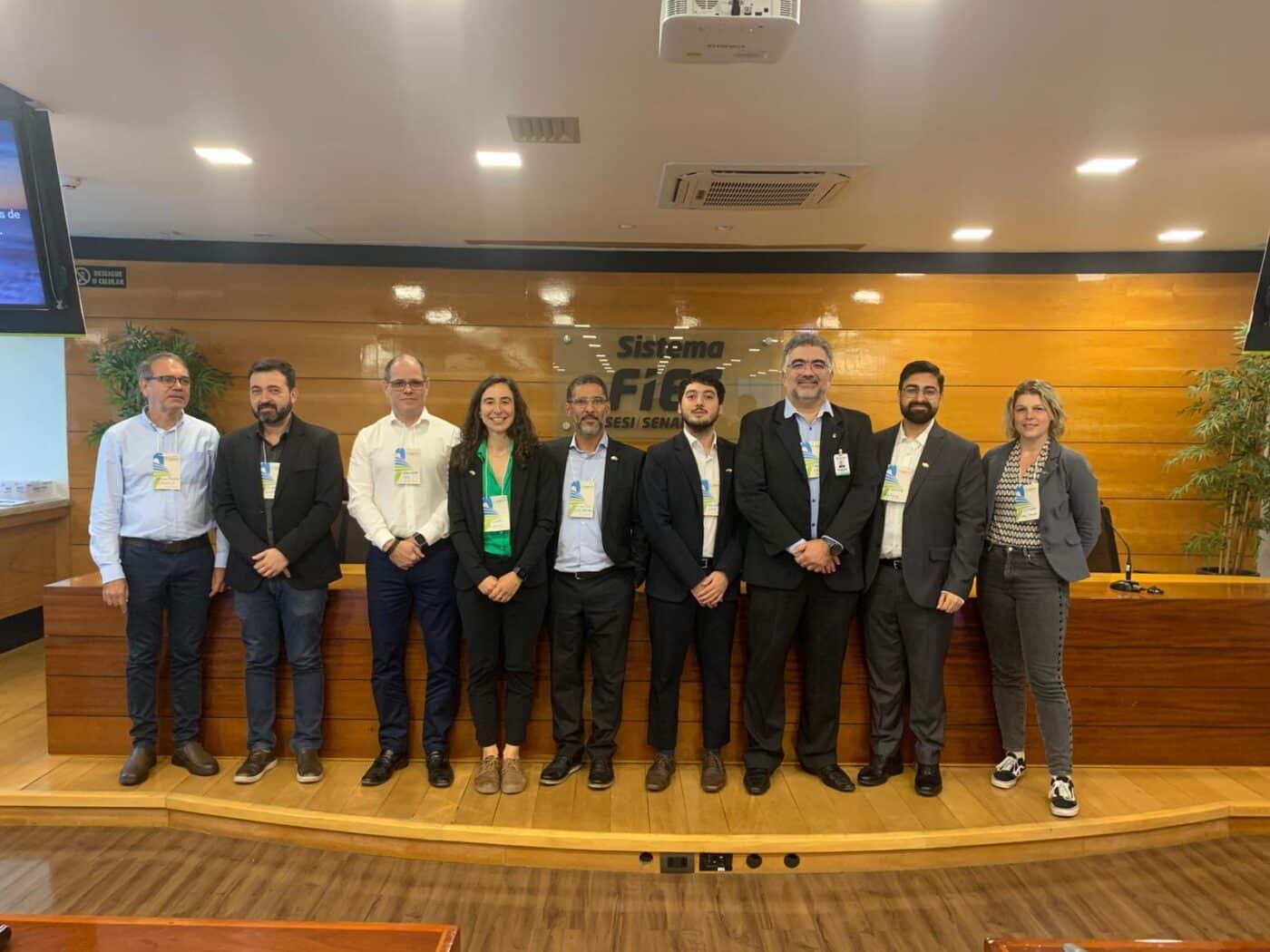
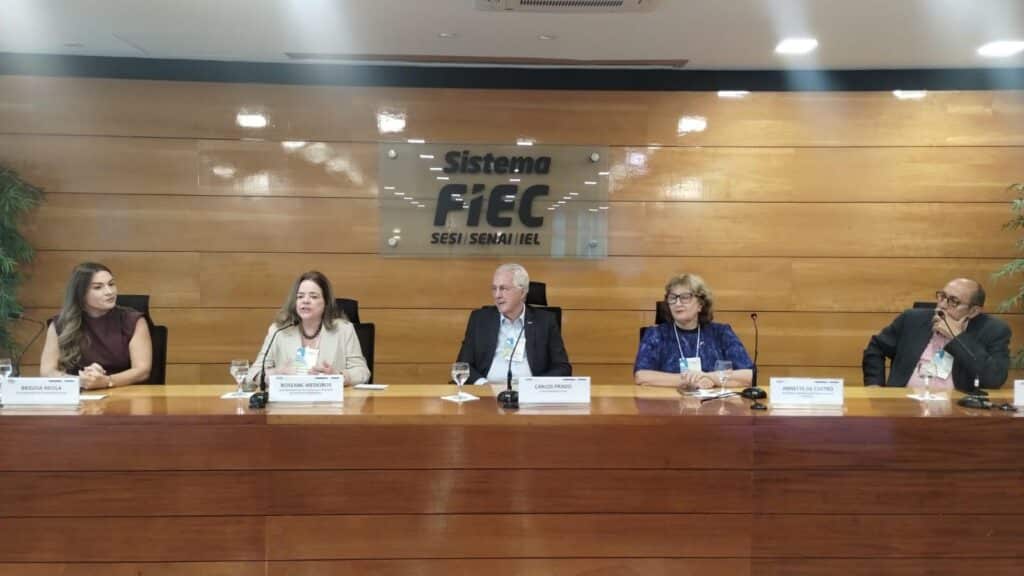
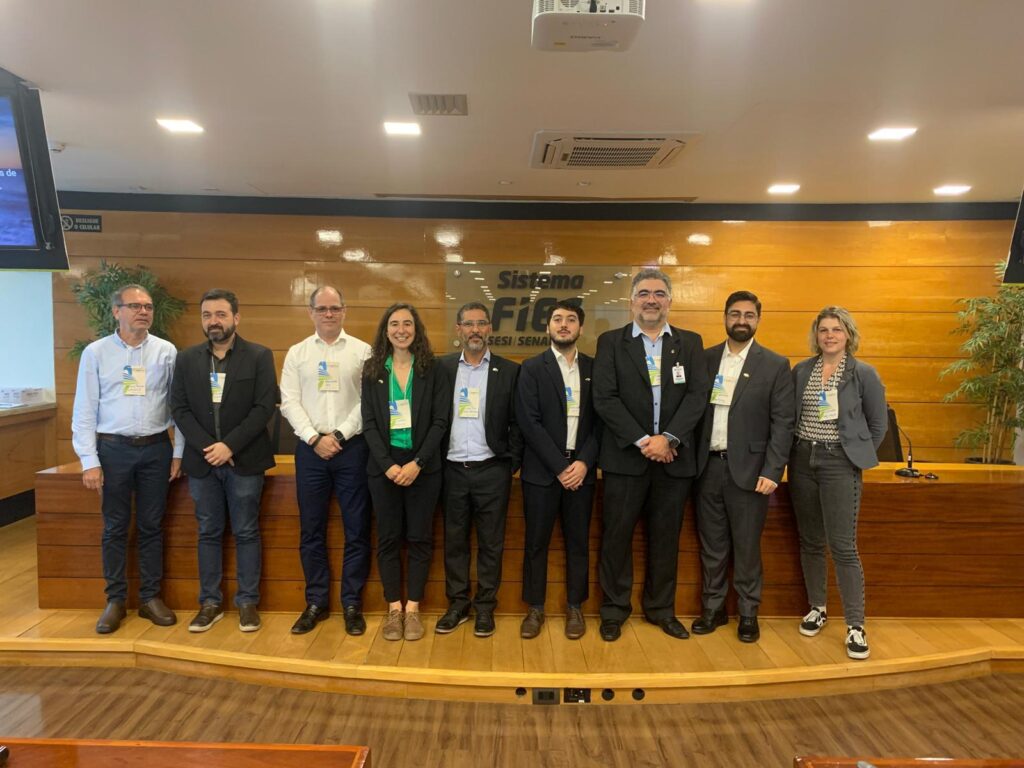
This progress was reaffirmed during the WAVE Aconcagua Partnership’s annual visit to the Aconcagua Valley in July 2026, where producers, supply chain partners and public institutions agreed on shared priorities for the year ahead, such as accelerating farm-level implementation, and strengthening peer-to-peer learning and monitoring. Read the full report.
What is not measured cannot be controlled, and what cannot be controlled cannot be managed. That’s why data is so important.
A model built to be replicated
What makes the Aconcagua Network particularly relevant is that its approach is not confined to Chile. The model – combining local stewardship, cross-value-chain collaboration, and data-informed decision-making – is designed to be replicated in other water-stressed sourcing regions around the world.
This is precisely the kind of water–biodiversity–food nexus that Partners for Water seeks to strengthen internationally: recognising that biodiversity and healthy ecosystems are not separate from food and water security, but integral to it. By supporting early-stage projects, fostering public–private partnerships, and sharing lessons learned across borders, Partners for Water helps translate local successes like Aconcagua into wider systemic change.
Shared risk, shared responsibility
The message from the Aconcagua Valley is simple and urgent: without water, there is no trade. Securing that water is not the responsibility of one actor alone; it requires producers, buyers, exporters, governments and communities to recognise their shared stake in the same basin and to act accordingly. The Aconcagua Network shows what that looks like in practice and offers a framework for collective action that supports water-secure, resilient food systems far beyond the valley itself.

Partners for Water is a Dutch government programme enhancing water security internationally in long-term cooperation with local partners and the Dutch water sector. By facilitating strategic planning and support in the early stages of innovation, the programme aims to contribute to systemic change for sustainable water management and infrastructure. This is how we initiate impactful changes for a better living environment.

